Product photography, food styling and film for a bao and pancake producer, Acton, London
They posted me the range. I sent back the content.
Ming Foods.
The business
Ming Foods make traditional Hirata bao buns and Chinese pancakes, and they sell them to the trade rather than over a counter. Their range runs by weight, 80g, 50g and 30g bao alongside the pancakes, and it arrives frozen in somebody else's kitchen to be filled with whatever that kitchen sells.
What they needed
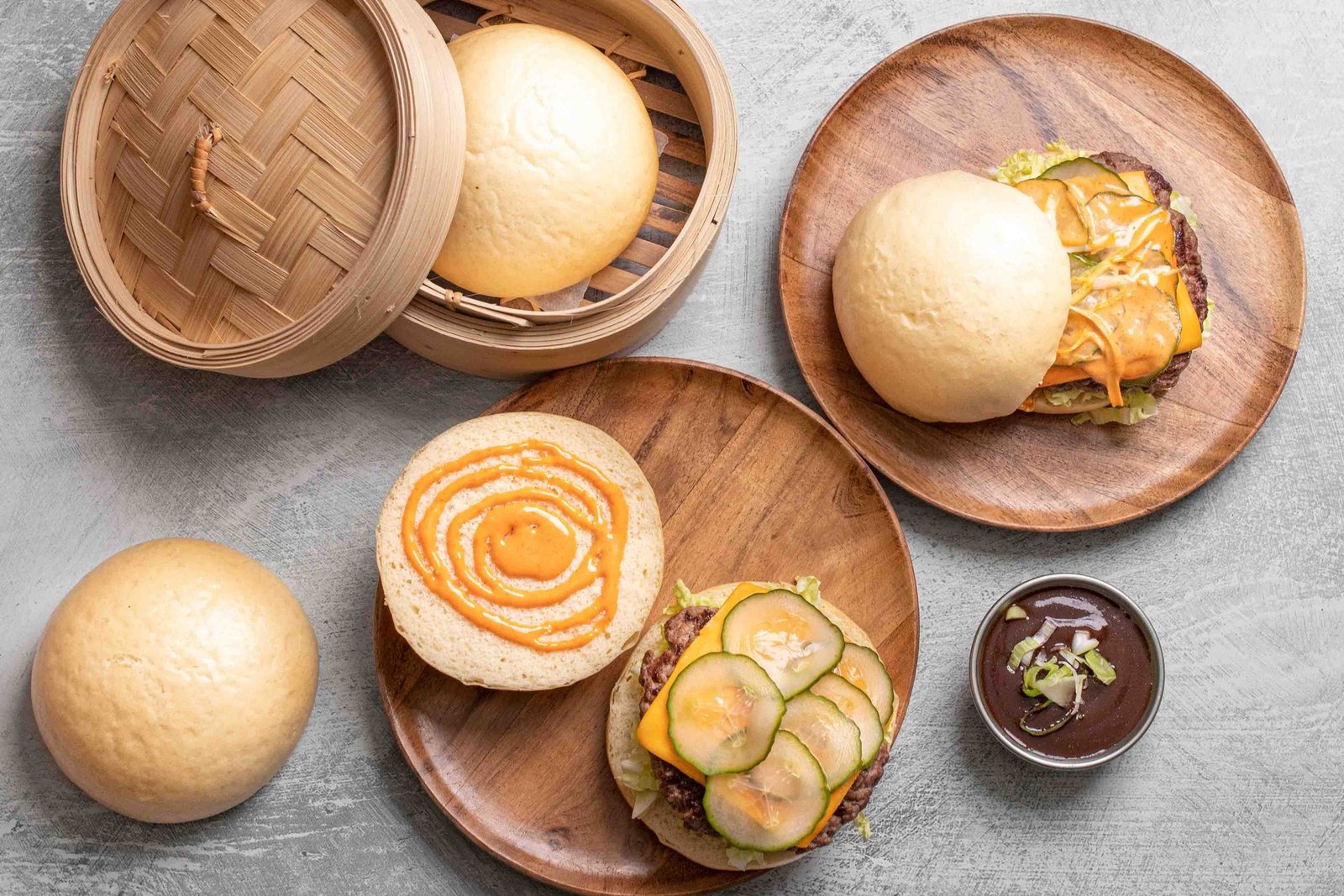
Their brief asked for three shots of every line, and the three are not a matter of taste. A plain one on a neutral ground with no filling and no garnish, for the trade listing. A filled one on the same neutral ground, shot so the product could be lifted out of its background later. And a styled one, plated and garnished, for the feed and the campaign.
The middle one is the tell. A restaurant needs a dish to look good once. A producer needs an asset they can re-use: cut out, dropped into an advert, a listing, a trade deck or a retailer's template, for years. They are not buying a photograph, they are buying a component.
They wanted it warm rather than clinical, so the sets are bamboo, wood and linen and the colour comes off the food rather than off a backdrop.
Then a question at the end of the brief, and it is the one that doubled the job. Should we do videos?
The whole job, in half a minute
How the work reached me, which is the part worth copying
The brief came to me and the product followed it. I submitted the ideas, they approved them, and only then did anything get cooked.
I had a production kitchen to store the range in. I cooked it, styled it, shot it and sent the files over. They approved the delivery, came back with a few small changes, I made them, and that was the job.
So there are two points where a client who is nowhere near the set still gets to say no: on the ideas before anything is cooked, and on the delivery afterwards. That matters more than being in the room, and it is the thing people are actually asking about when they ask whether they need to be there.
I supply the props for everything. The boards, the steamers, the linen, the bowls, the surfaces: none of that arrives with the product and none of it is the client's problem.
That is most of what I do for producers. A brand with no creative team of its own is not really buying a photographer, they are buying the department they never hired. I cooked professionally for ten years before I picked up a camera, and on a job like this both halves get used: the food is made properly and then photographed properly, by the same pair of hands.
One: the listing shot
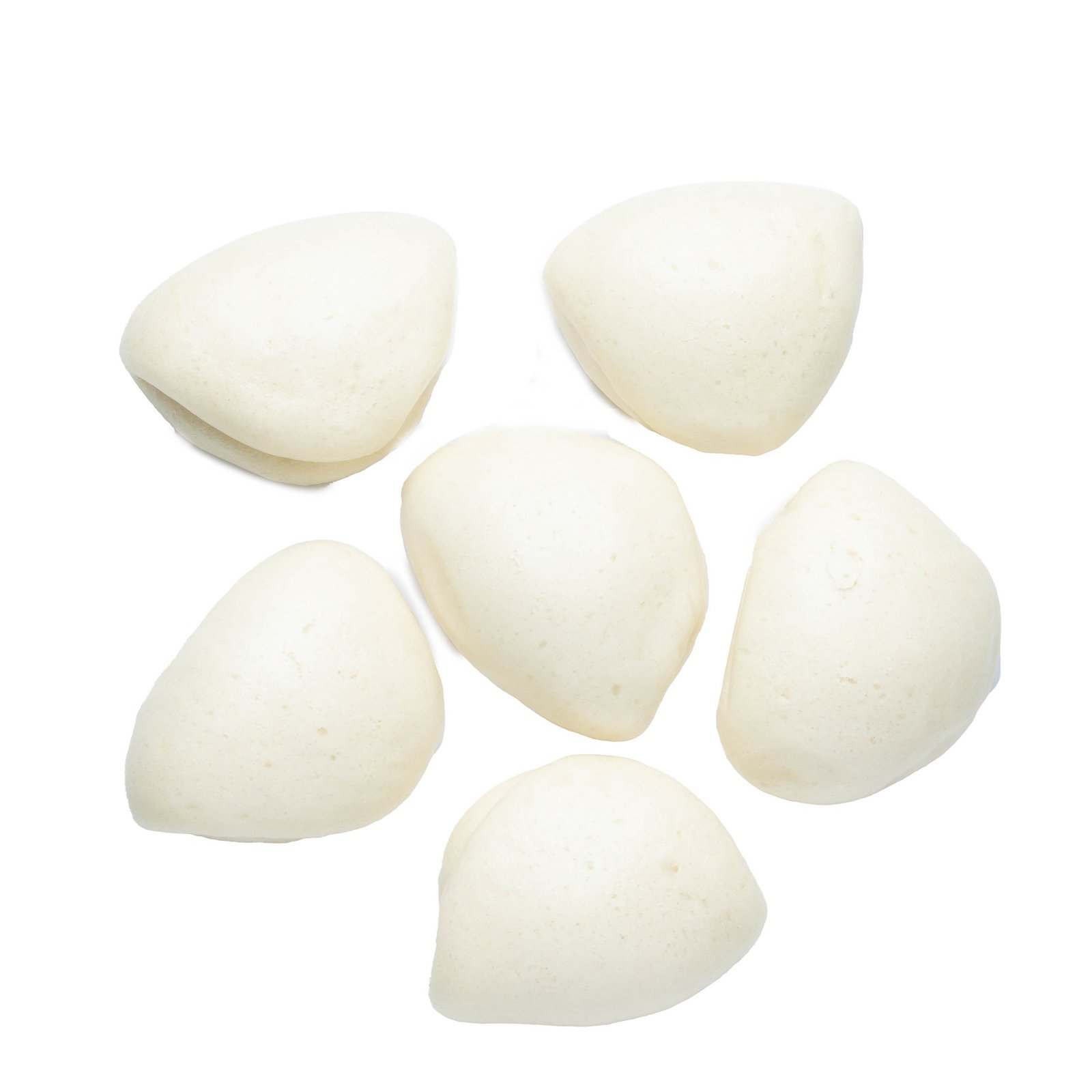
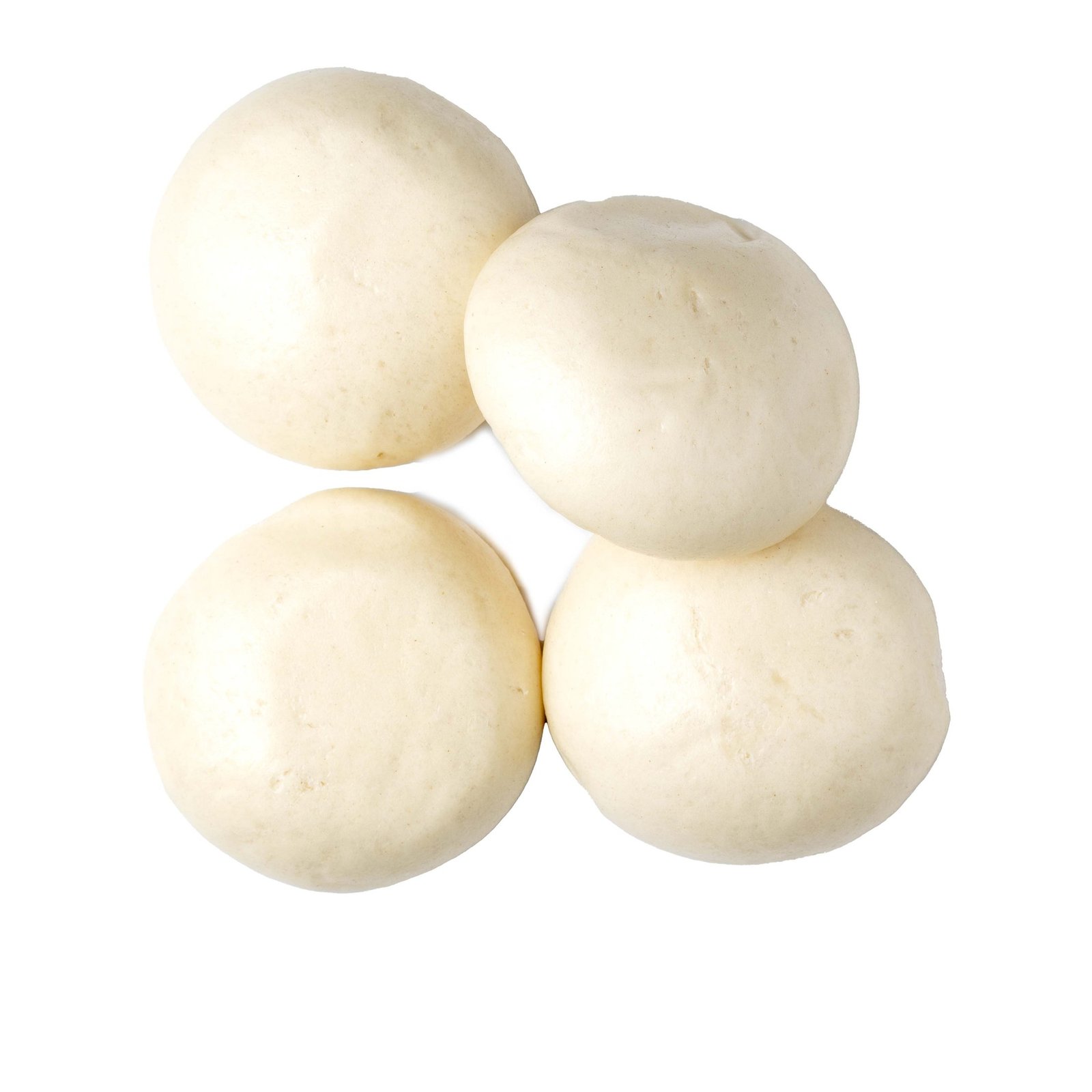
Plain product, neutral ground, no filling, no garnish, nothing to argue with. Every wholesale listing needs it and nobody enjoys shooting it, which is exactly why it is usually the weakest picture a producer owns.
Two: the cut-out
The same product, filled, shot on a neutral ground and cut out cleanly, so the file arrives with no background attached to it. This is the one their marketing actually spends: it goes into an advert this month and a retailer's template next year without anybody reshooting anything.
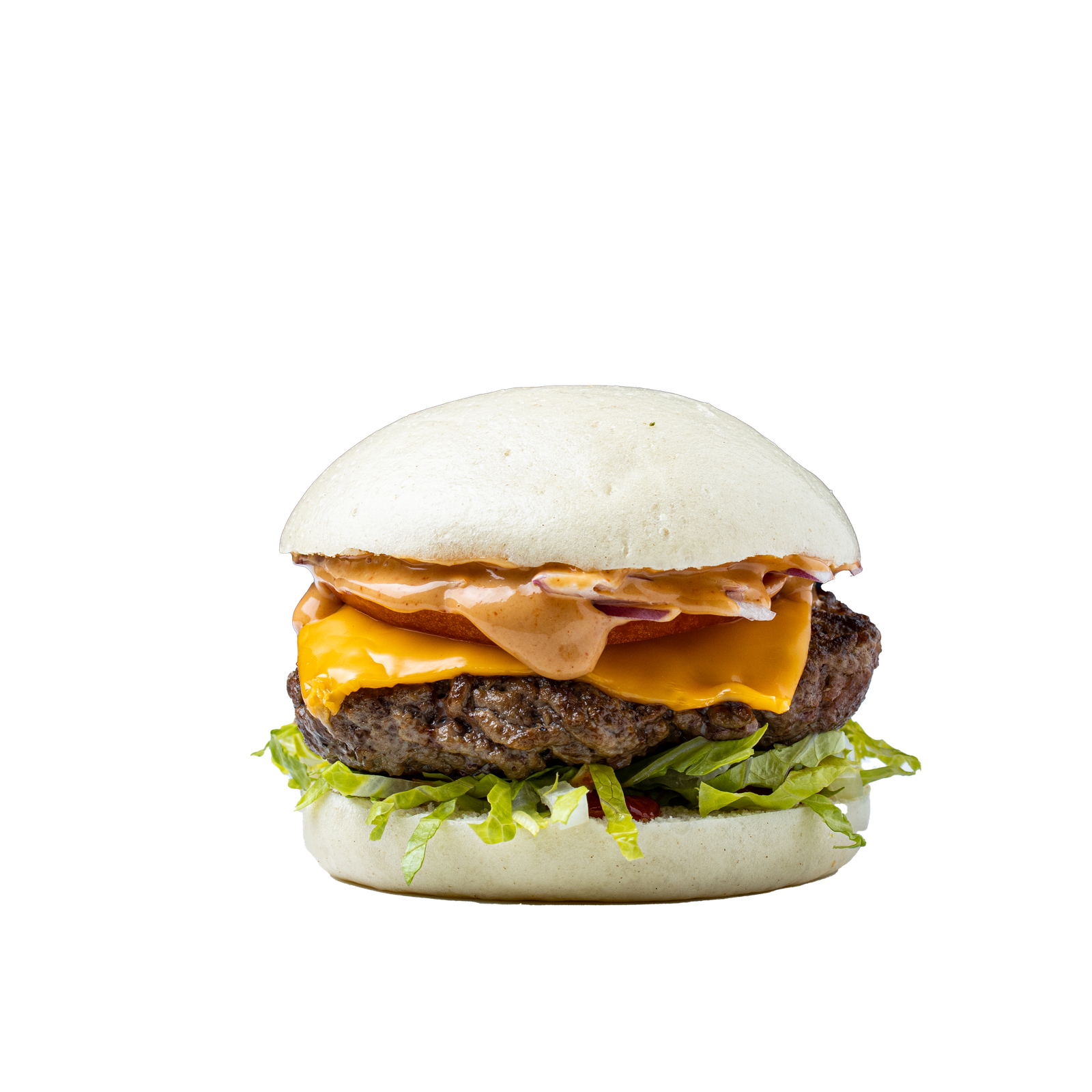
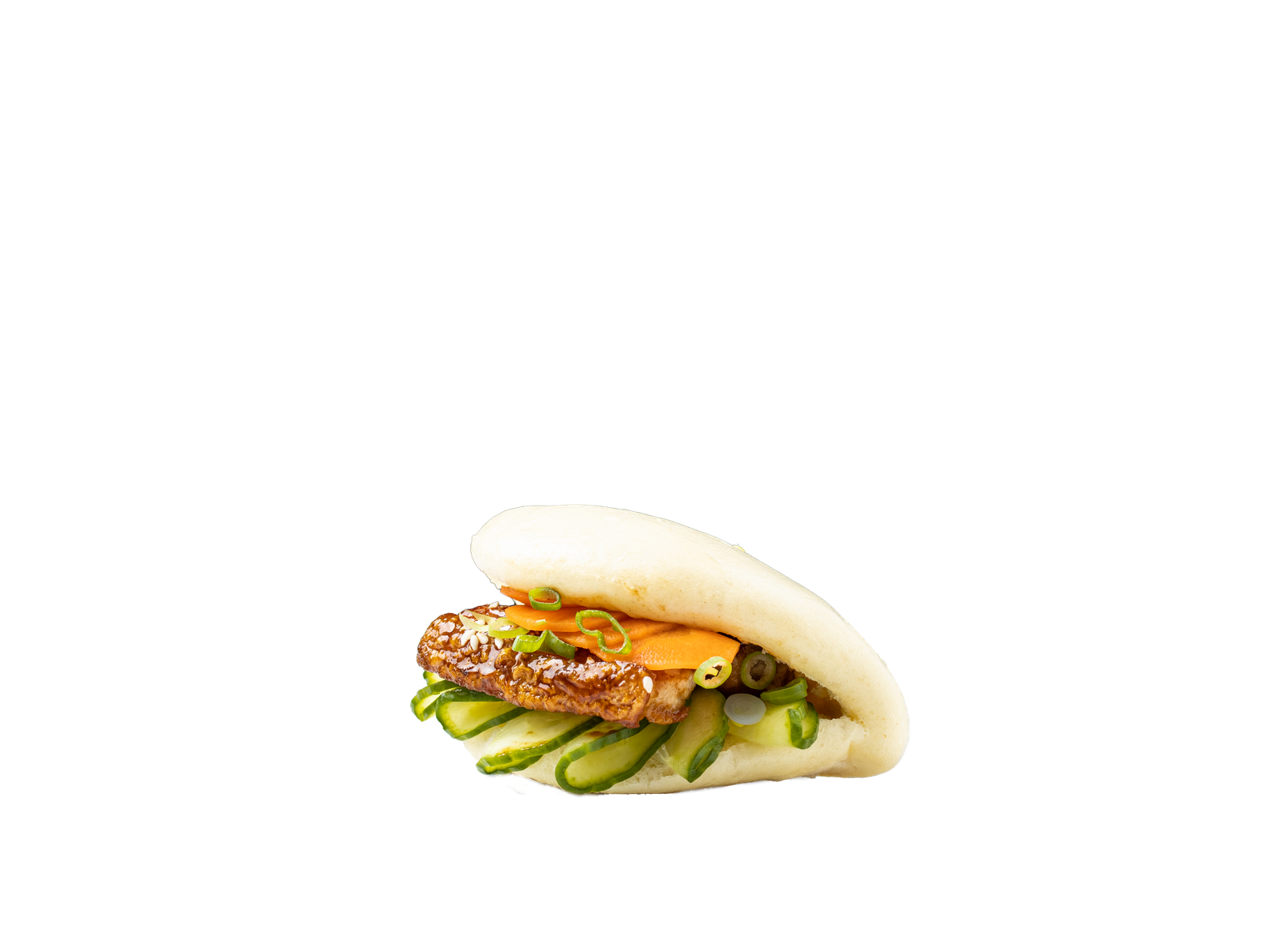
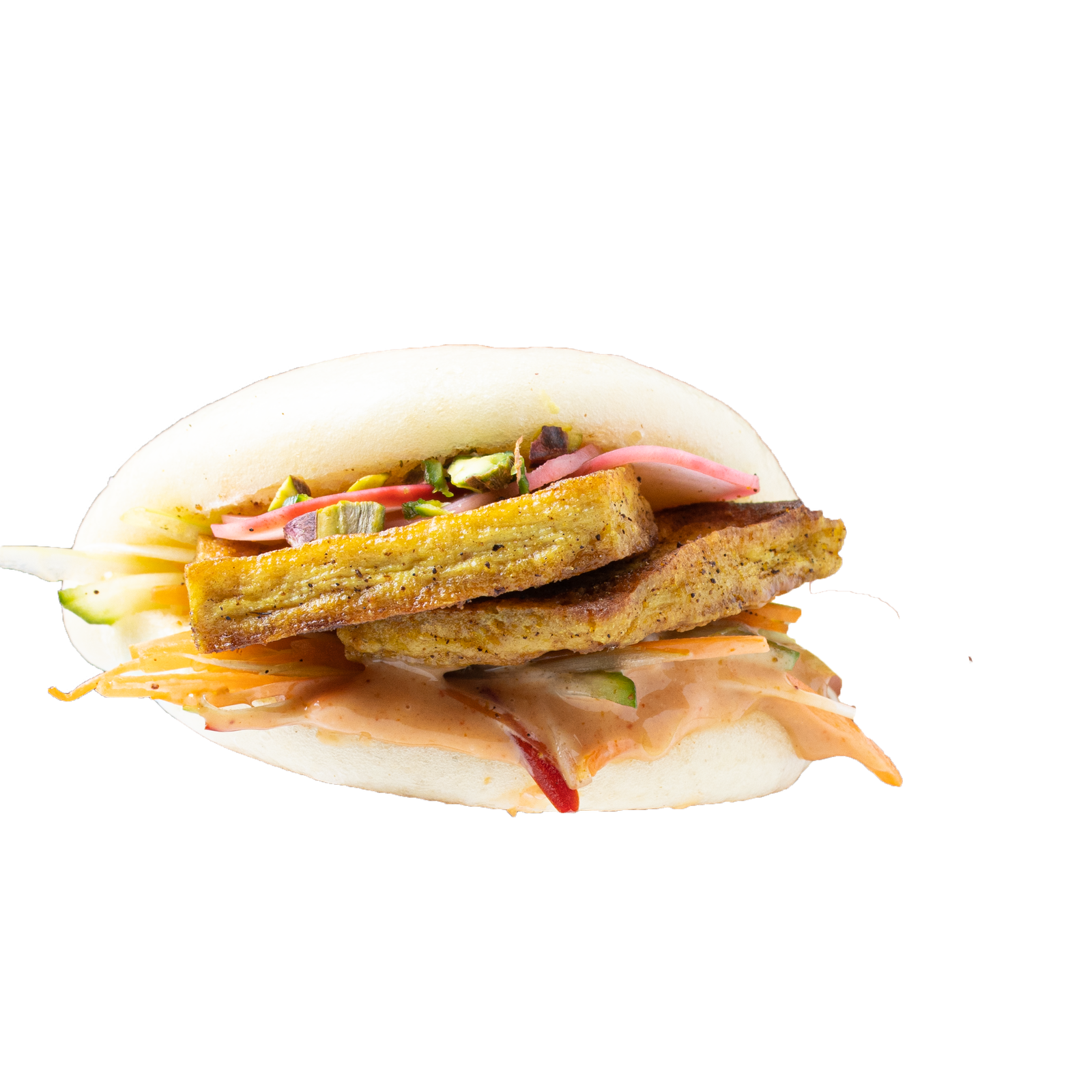
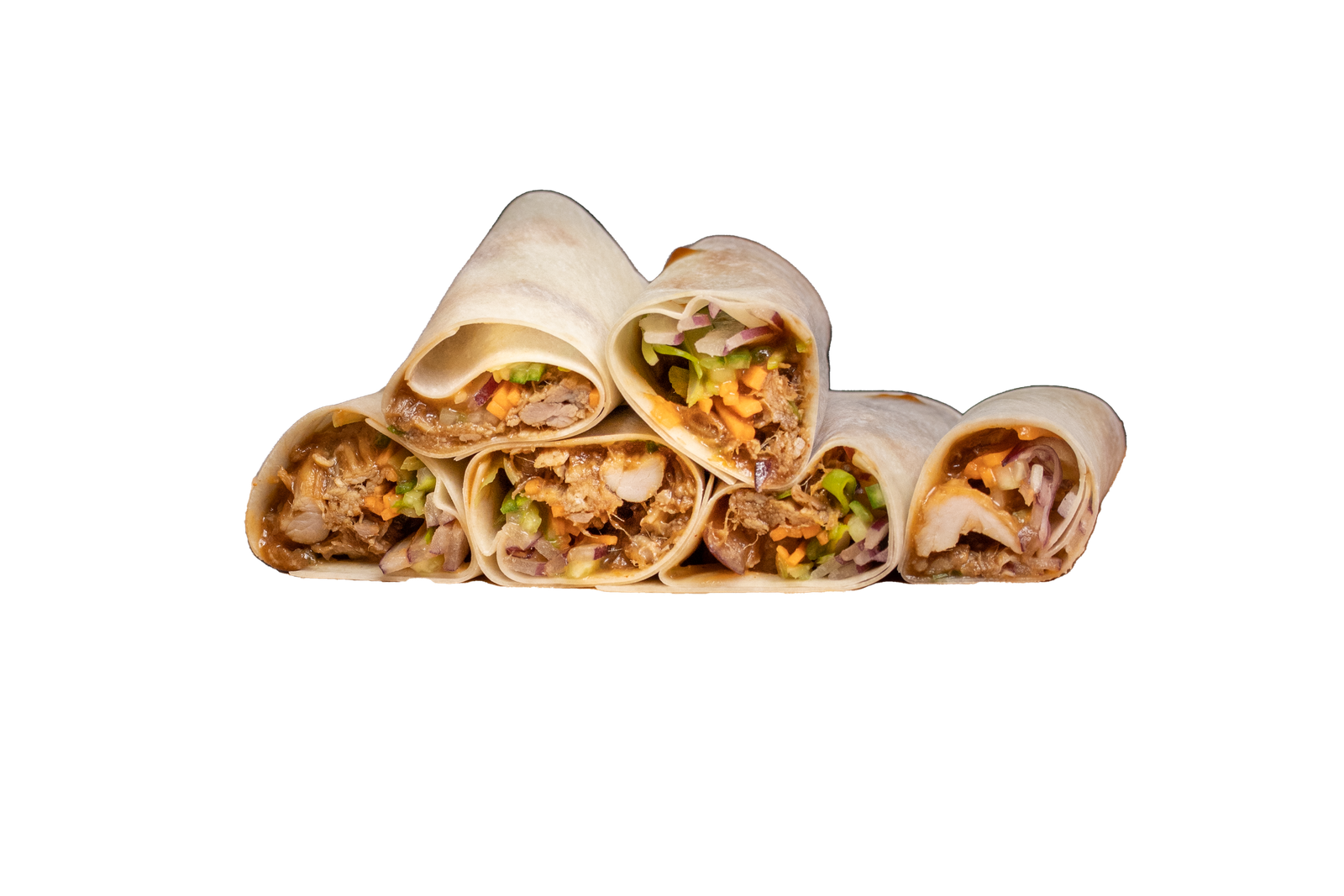
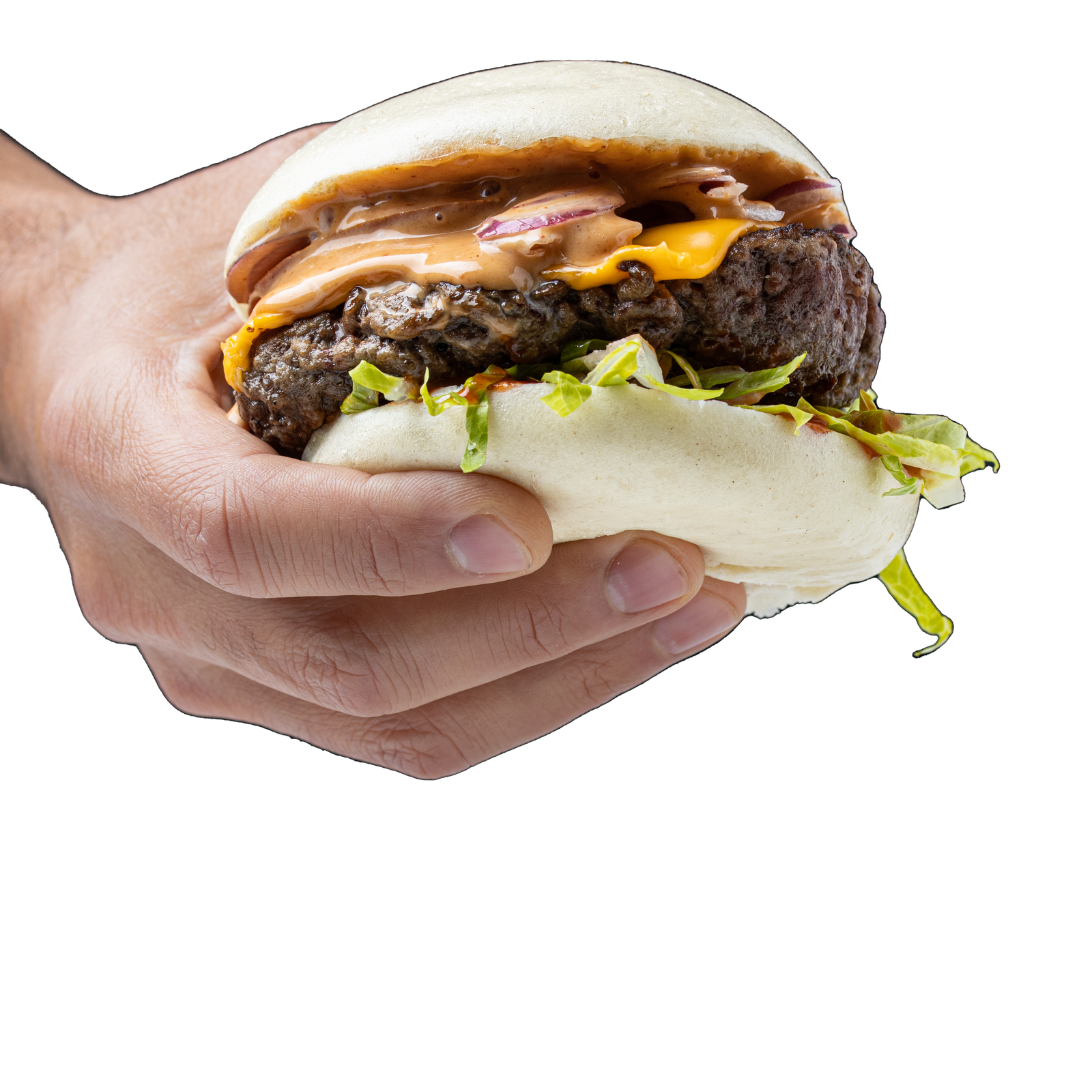
Three: the styled shot, and this is where the range earns its money
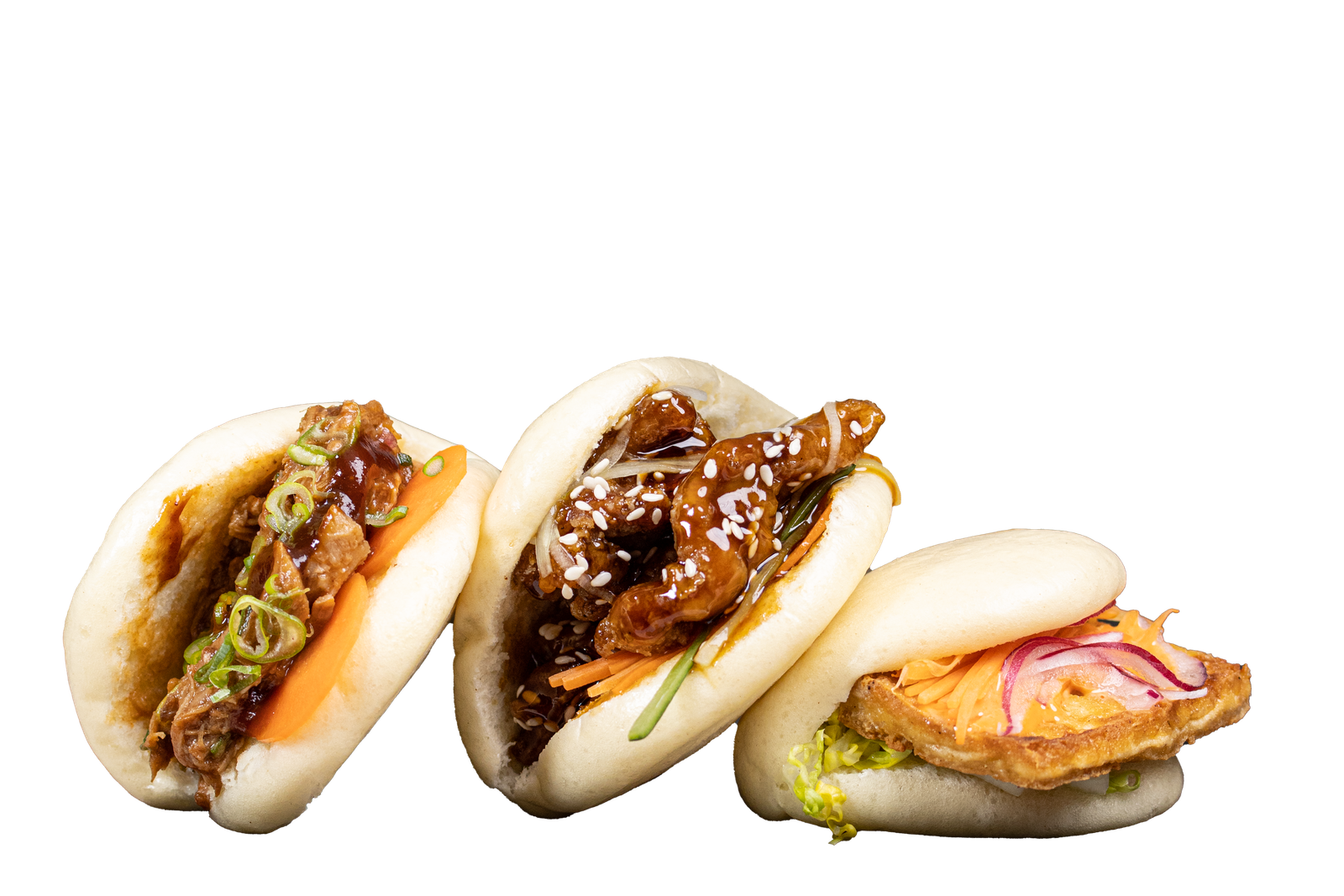
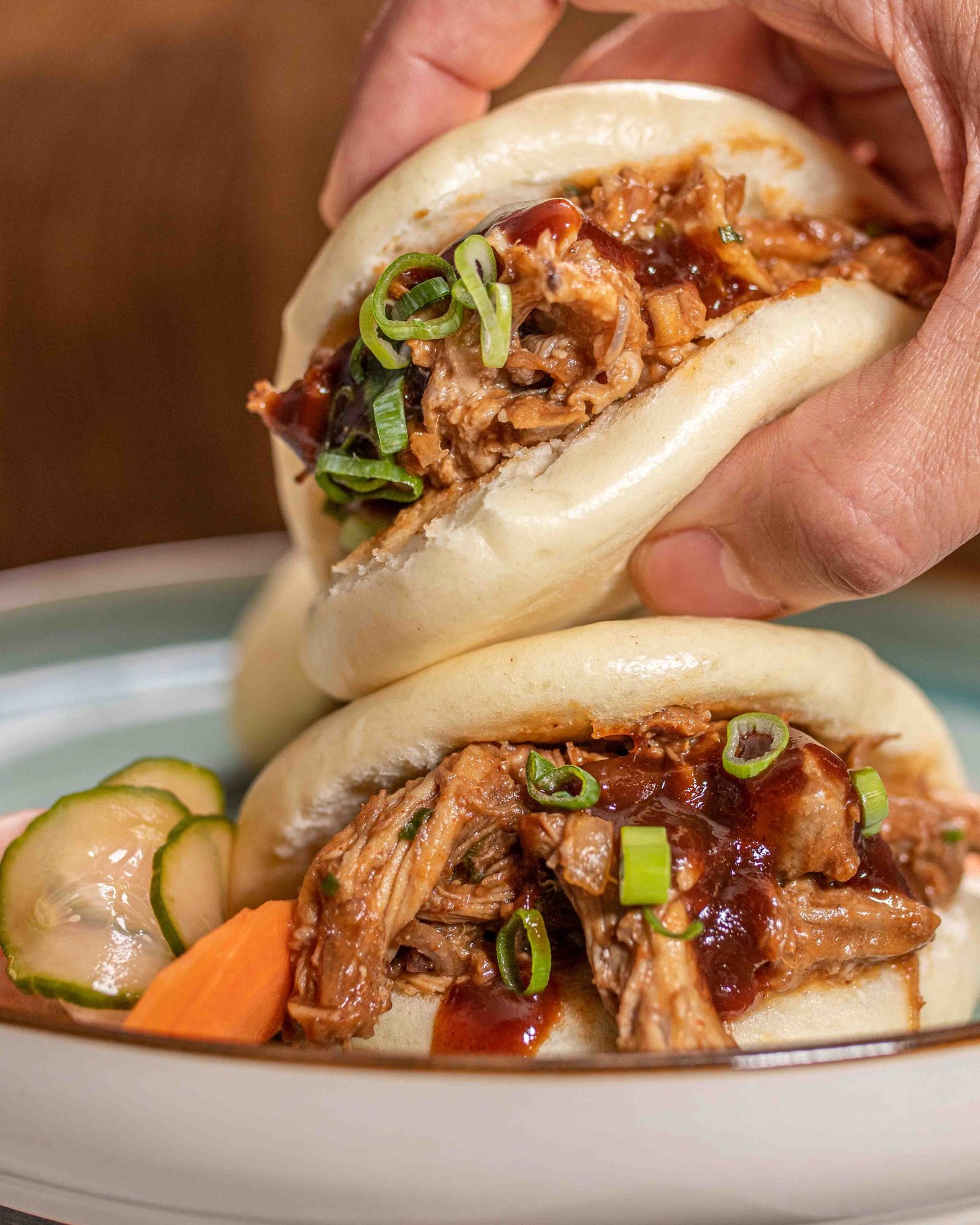
A bao bun photographed as a bao bun sells to people already buying bao buns. The job was to show a chef what else it does, because a wholesale buyer is not asking whether the product is good, they are asking how many places on their menu it can go.
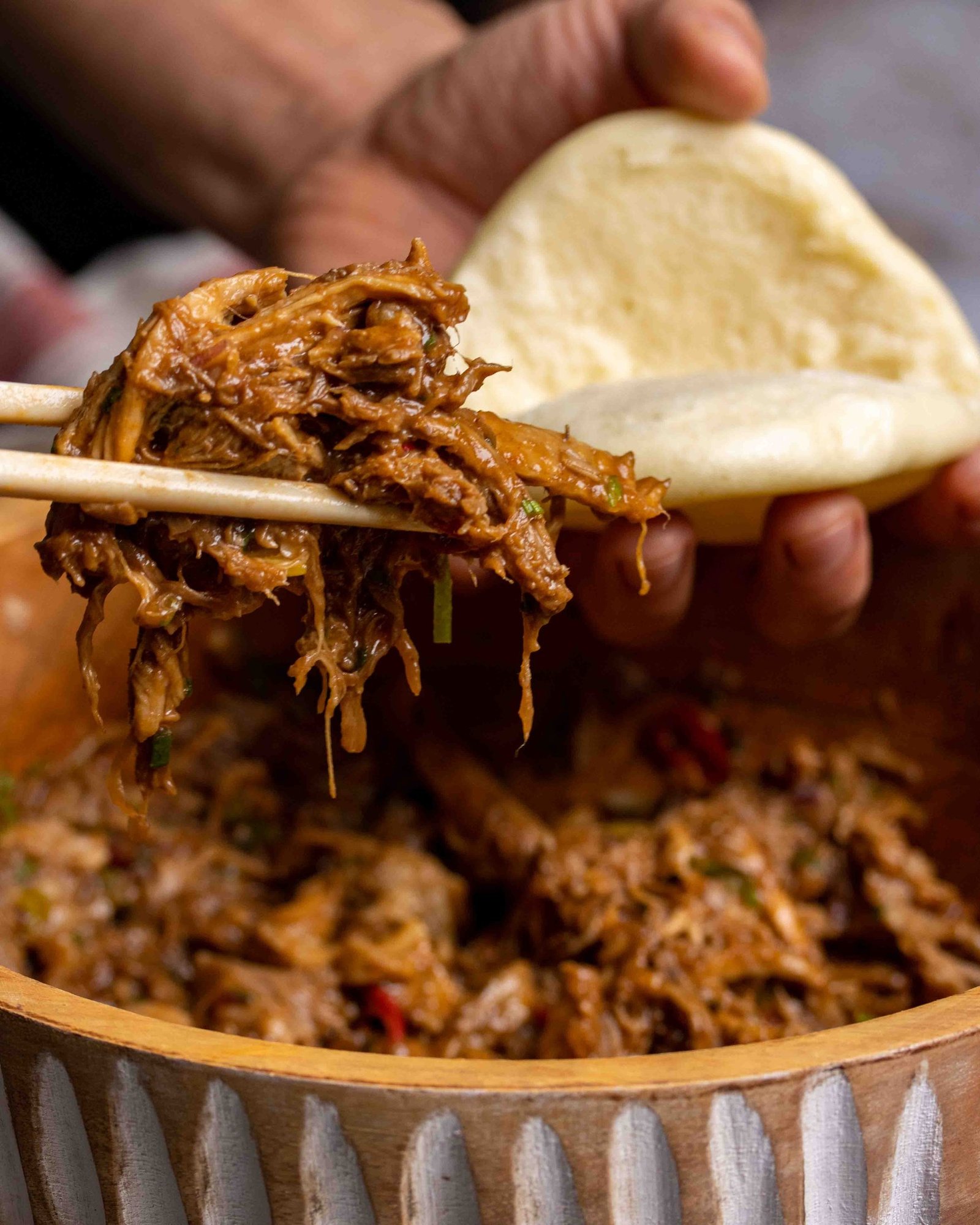
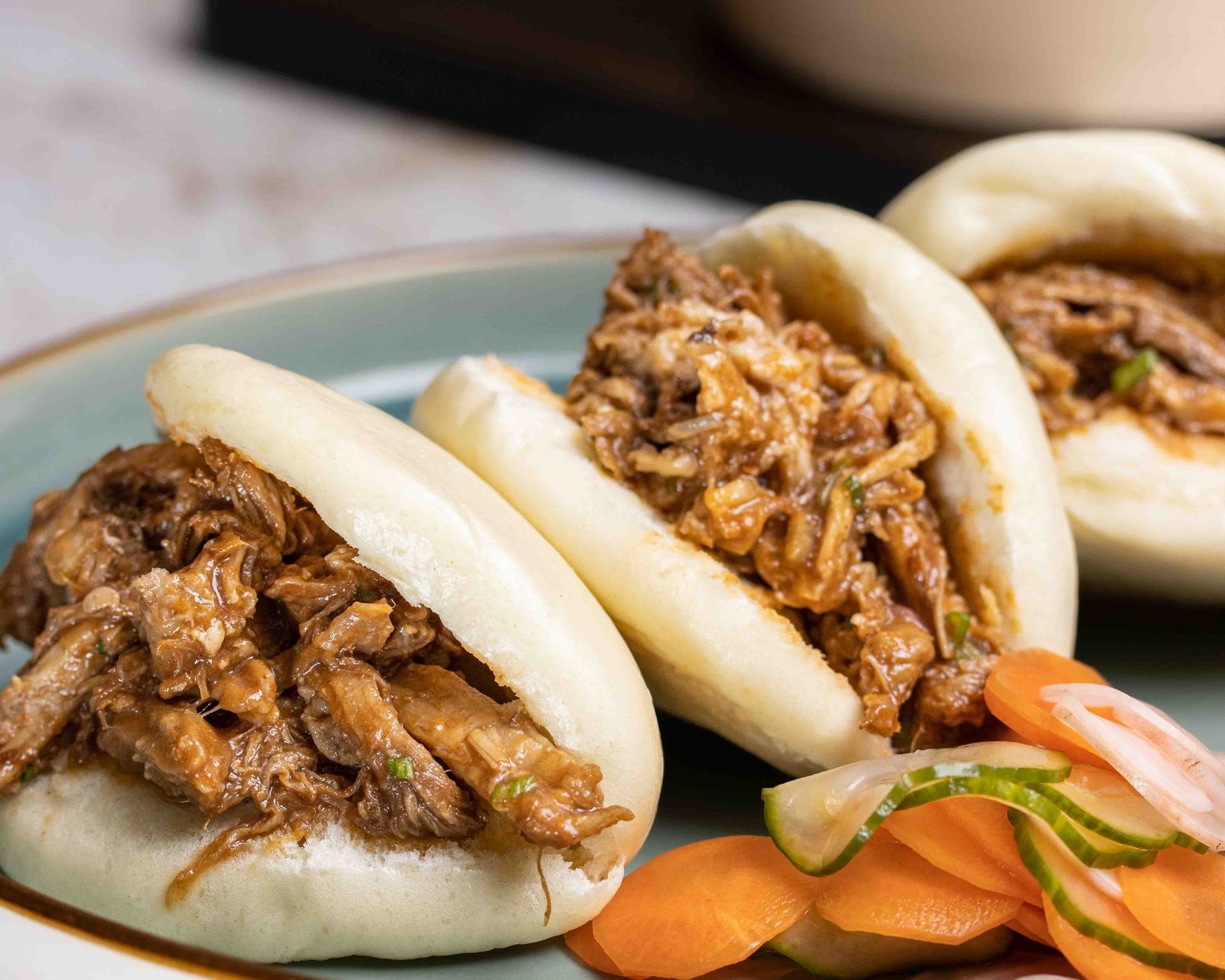
So the same bun became a cheeseburger, a breakfast roll, a pork belly bao, a teriyaki chicken bao, a tofu bao and a pudding. The Chinese pancake, the one that usually turns up with crispy duck, got filled with shredded pork instead. I cooked and styled every one of them for the camera, which on this job was the work rather than an extra on top of it.
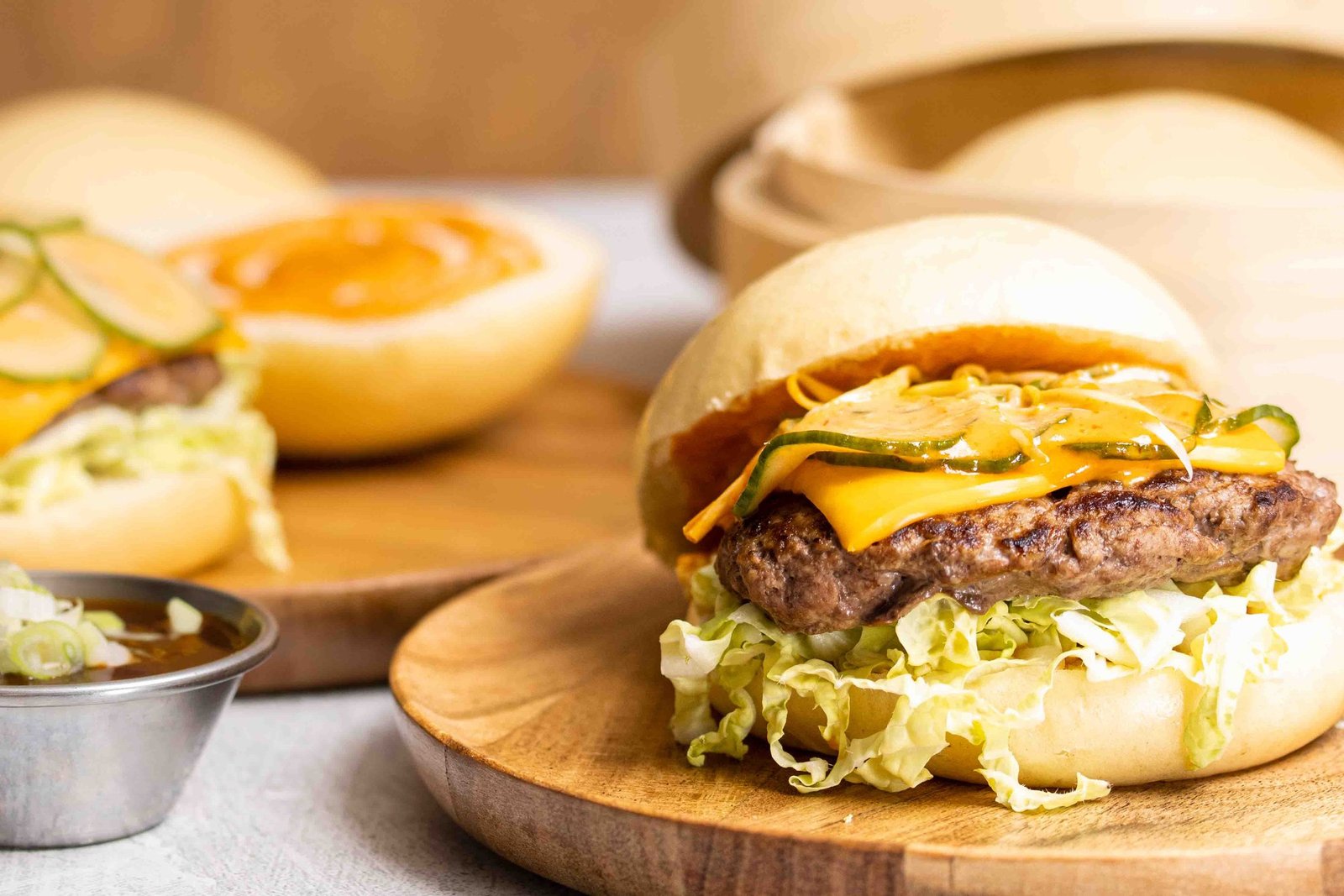
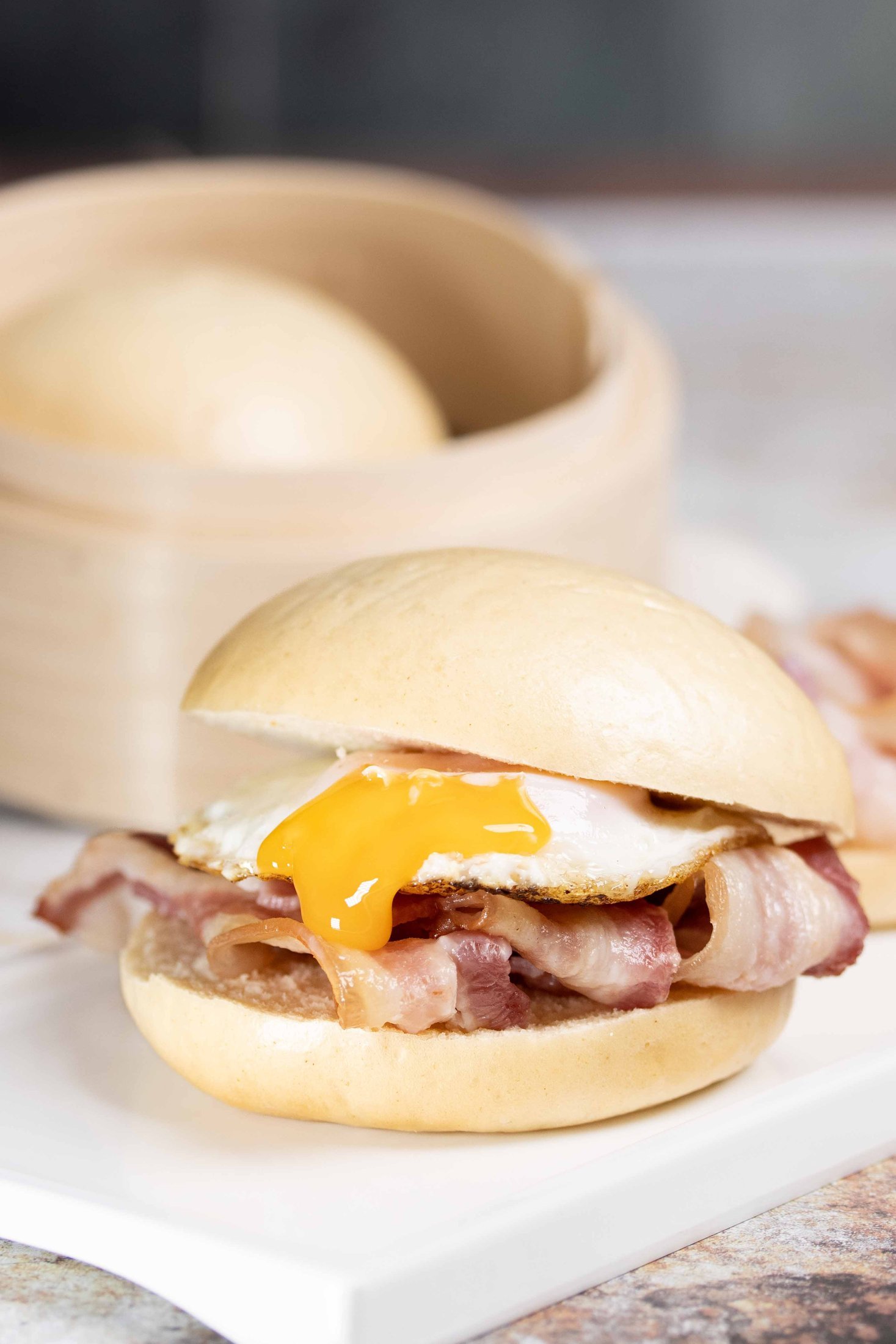
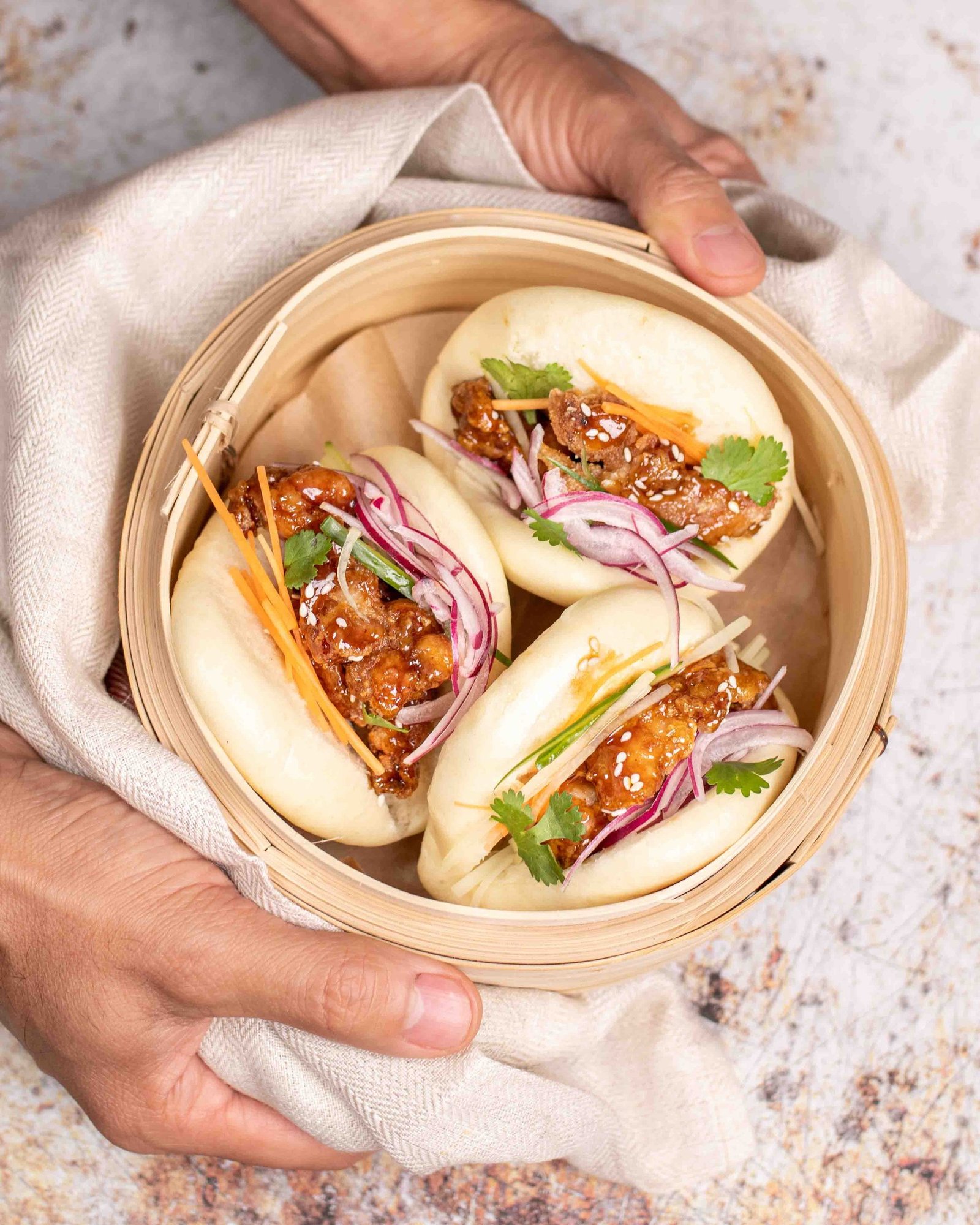
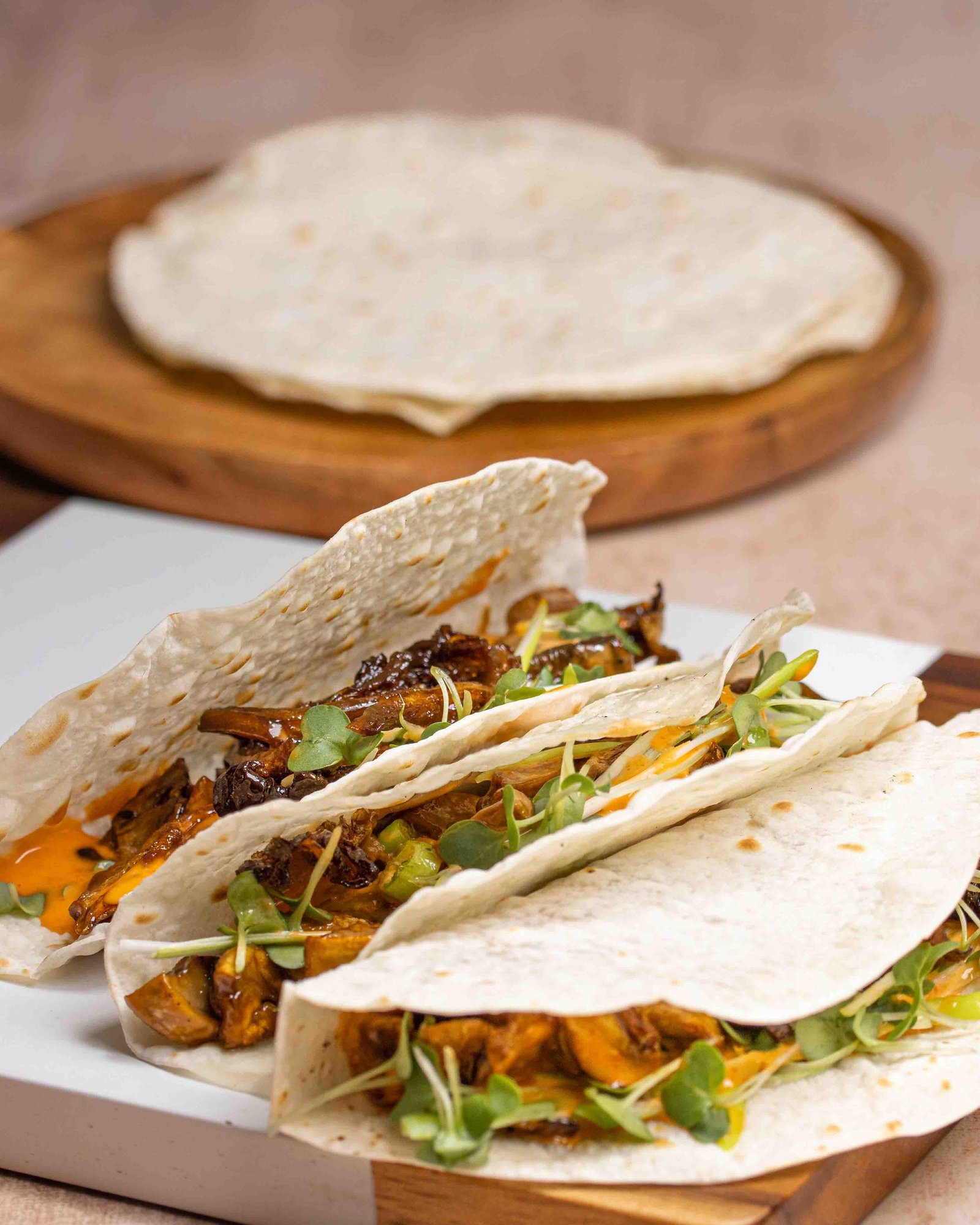
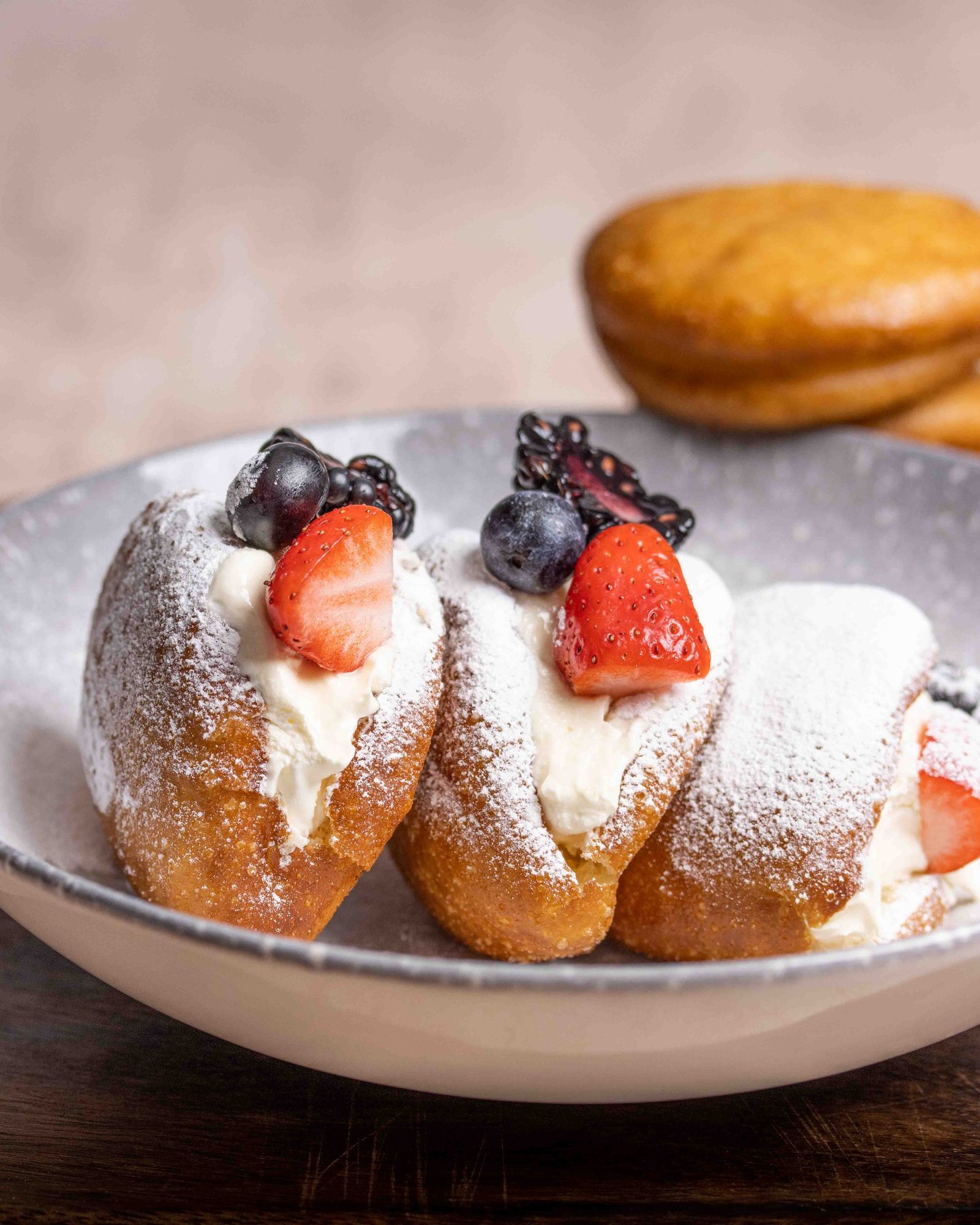
One product range, photographed by use rather than by item. That is how a short product list turns into a long list of pictures, and why a set like this is still working long after the shoot.
And then the films
The films were added to a set that was already standing, and that is the best value on a shoot like this. The kitchen is hot, the product is out, the set is lit and the person who cooked it is already holding the camera. Fifteen seconds each, one filling at a time.
And one built a layer at a time, because a product that assembles itself holds a thumb on a feed for longer than a product sitting still.
Where it was actually made
A production kitchen in Acton, steel benches, a set built on wood with a tiled card hung behind it, and a shot list on a clipboard. The steel is in shot because we were actually cooking in there, and that is the point of the room rather than a fault in it: the extraction, the burners and the space are what let the food be cooked properly on the day it is photographed.
What it gave them
A listing pack, a set of cut-outs their marketing could place anywhere, a styled library covering the range by use, and the films. All of it off one delivery of product and one set of days in the kitchen.
In her words
I worked directly with Gabrielle Lily Darne on this one. She is agency side, and this is what she wrote publicly about working with me:
“I have worked with Smart Food Media multiple times in recent years. It's always a pleasure doing so. Andras's cooking and photography knowledge is immense and he always hits it out of the park for my food manufacturing clients.”
Gabrielle Lily Darne, five stars on Google.
Questions I get asked about producer work
Do we have to be there?
No. Send the product and I will take it from there, which is how this one ran. You sign the work off twice, on the ideas and on the delivery, without losing a day to it.
What if you are shooting our factory rather than our product?
Then I come to you. Most producer work is the product coming to me, but when the job is a business to business film about how you make the thing, that has to be shot where you make it, and I plan the day around your production rather than the other way round.
Why does a producer need different pictures from a restaurant?
Because you are not selling one dish once. You need a plain shot for the listing, a cut-out your team can place anywhere, and styled shots that show a buyer what your product turns into. The cut-out is the one people forget to ask for and the one they use most.
Do you write the recipes?
Not on a job like this. The dish is cooked, styled and designed for the camera on the day. Written, tested, costed recipes are a separate piece of work and I price them separately, so nobody pays for development they did not want.
Got a range that needs photographing? Send me the product list and I will tell you what I would do with it.
Product photography, Acton and West London. Food manufacturer photography, wholesale listing photography, cut-out product photography, packaging photography, food styling, product styling, lifestyle food photography, product video, social video reels, product use demonstration content, bao photography, food producer content, London food photographer.
Take two minutes and get in touch.
Related work.
See recent work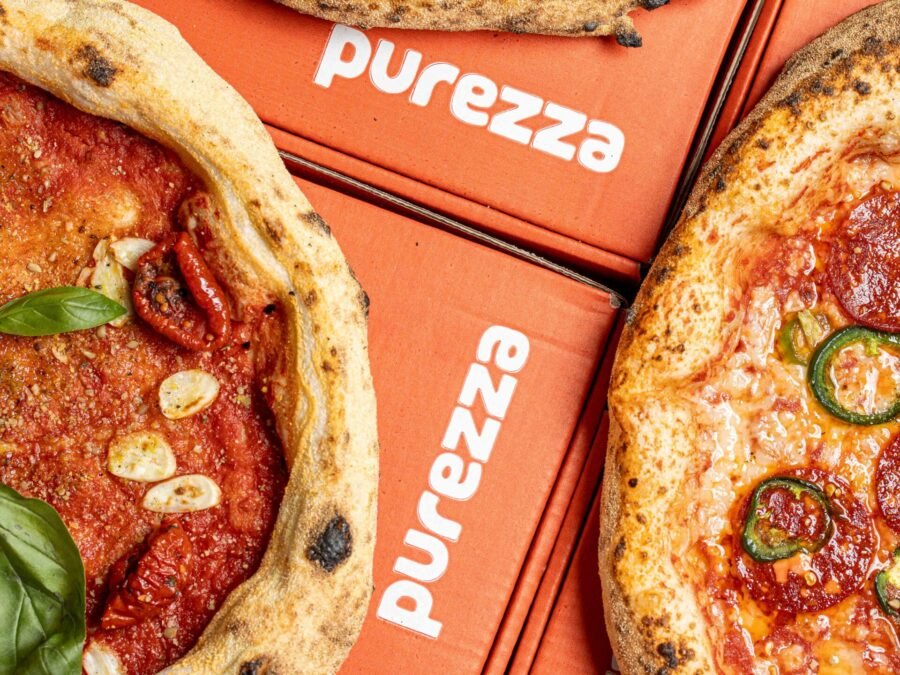
Vegan sustainable brand, 150 videos and 500 pictures
I run Purezza's Instagram account, and I have produced and posted all the content for a year and a half. The profile sent over 700 link clicks a month straight to the brand. It drove excitement for product launches and showcased the specials and all the new flavours.
A mini art department, inside a patty factory that produces 28,000 patties a day
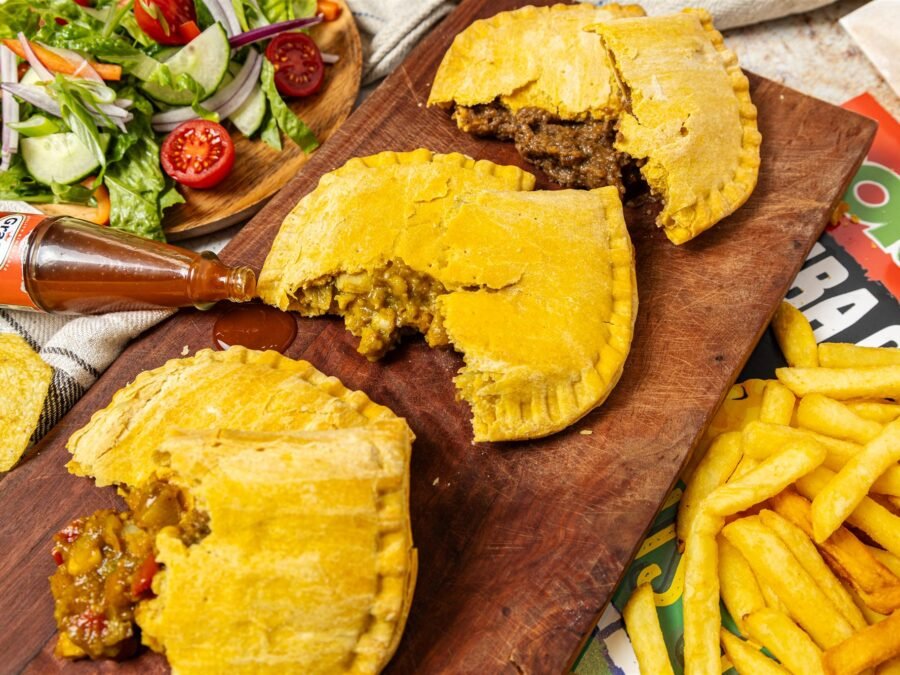
Port Royal Patties, Jamaican patty and pie manufacturer in Park Royal. Supplies Asda, Morrisons and Tesco. Over a year of work together, across multiple shoots.
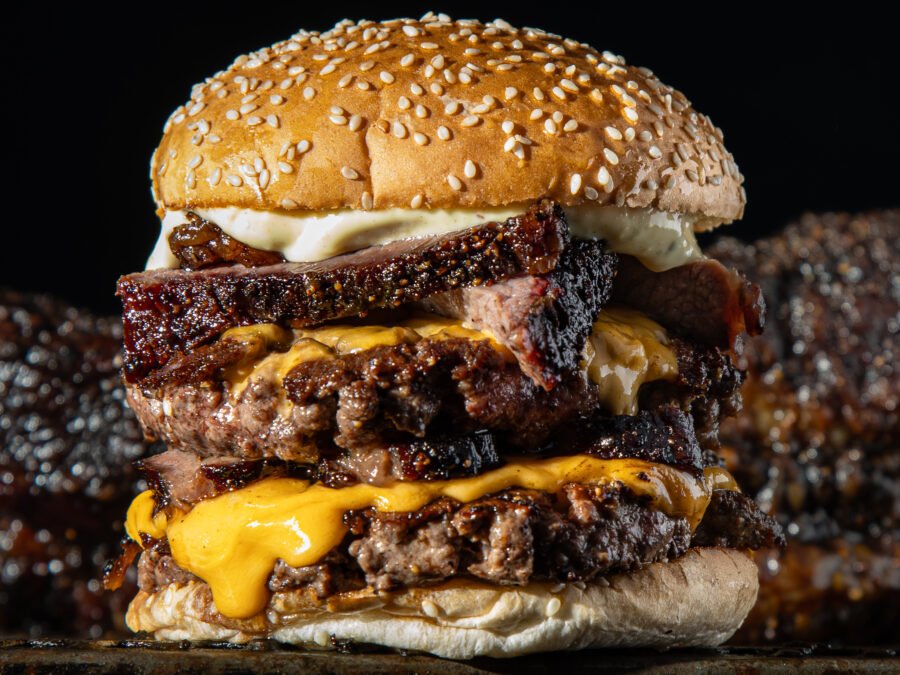
One feel, one look, to show the meatiness of their food. Real BBQ
Red Dog Saloon, Shoreditch-based Texas-style barbecue group, multiple sites, multiple cities. Over a year, half a dozen shoots. Big bite, big flavour, the food as it actually is.